


By Voix Plurielles
The « Bamiléké problem » transcends stereotype and whispered discomfort—it represents an unhealed wound in Cameroon’s national fabric. Yet despite decades of documented discrimination, many Bamiléké individuals and communities choose silence over confrontation, particularly those living in the diaspora. Understanding this paradox requires examining the complex interplay of historical trauma, structural risks, internal divisions, and survival strategies that shape contemporary responses to systemic oppression.
The Architecture of Inherited Silence
The roots of contemporary reluctance extend deep into Cameroon’s independence struggle. The brutal suppression of Bamiléké uprisings during the 1950s and 1960s created lasting psychological scars that transcend individual experience to become collective memory.
Historical Conditioning: Colonial and early post-independence regimes responded to Bamiléké political mobilization with systematic violence—massacres, deportations, and sustained repression that decimated entire communities. Survivors developed what can only be described as adaptive silence: « Stay quiet. Work hard. Avoid politics. »
Intergenerational Transmission: This survival ethos became cultural inheritance, passed from traumatized parents to children who never directly experienced the violence but absorbed its lessons. Today’s middle-aged and elderly Bamiléké carry forward this protective caution, even when circumstances might permit greater openness.
Institutional Memory: The assassinations of independence leaders like Félix Moumié, Ernest Ouandié Gabriel Tablelouo alias Wambo le Courant, serve as enduring reminders of what can happen to Bamiléké voices that become too prominent or too threatening to established power.
Contemporary Structural Risks
Modern Cameroon maintains subtle but effective mechanisms for punishing Bamiléké political expression:
Economic Vulnerability: Success in business or professional life can be jeopardized by perceived political activism. Government contracts, licensing approvals, and bureaucratic cooperation often depend on maintaining political neutrality or active support for the ruling regime.
State Surveillance: The 2018 arrests of Maurice Kamto’s supporters demonstrated how quickly peaceful political participation can be criminalized when it involves Bamiléké leadership. Families fear that speaking out might invite state attention, harassment, or worse.
Social Isolation: In a society where ethnic suspicion runs deep, public criticism of anti-Bamiléké discrimination can be reframed as tribal supremacism, potentially isolating individuals from cross-ethnic professional and social networks.
Internal Community Dynamics
The Bamiléké response to discrimination is far from monolithic, reflecting competing philosophies about engagement with an often hostile state:
Pragmatic Accommodation: A significant segment prioritizes economic advancement and family security, viewing confrontational politics as counterproductive. This approach emphasizes education, entrepreneurship, and gradual integration rather than direct challenge to discriminatory systems.
Emerging Activism: A growing cohort, particularly among younger and diaspora Bamiléké, advocates for confrontation of Bamiphobia through documentation, legal challenges, and public advocacy. However, these voices often face criticism from within their own community for « rocking the boat. »
Strategic Calculation: Many navigate between these positions, supporting reform privately while maintaining public neutrality—a stance that reflects both privilege and vulnerability.
The Diaspora Dilemma
Bamiléké communities across Europe, North America, and other regions face unique pressures that complicate political engagement:
Transnational Consequences: Speaking out from abroad risks retaliation against family members, business interests, and property remaining in Cameroon. This creates a form of extraterritorial intimidation that extends state control beyond national borders.
Cultural vs. Political Expression: Many diaspora organizations channel energy into cultural preservation—festivals, traditional associations, historical commemoration—rather than explicit political advocacy. This « safe » visibility allows community building without directly challenging power structures.
Resource Mobilization: The diaspora possesses significant financial resources that could support political change, but deploying these funds requires overcoming legitimate fears about state reprisal and community division.
The Folklorization Trap
Perhaps the most insidious aspect of contemporary silence involves the reduction of Bamiléké identity to cultural performance:
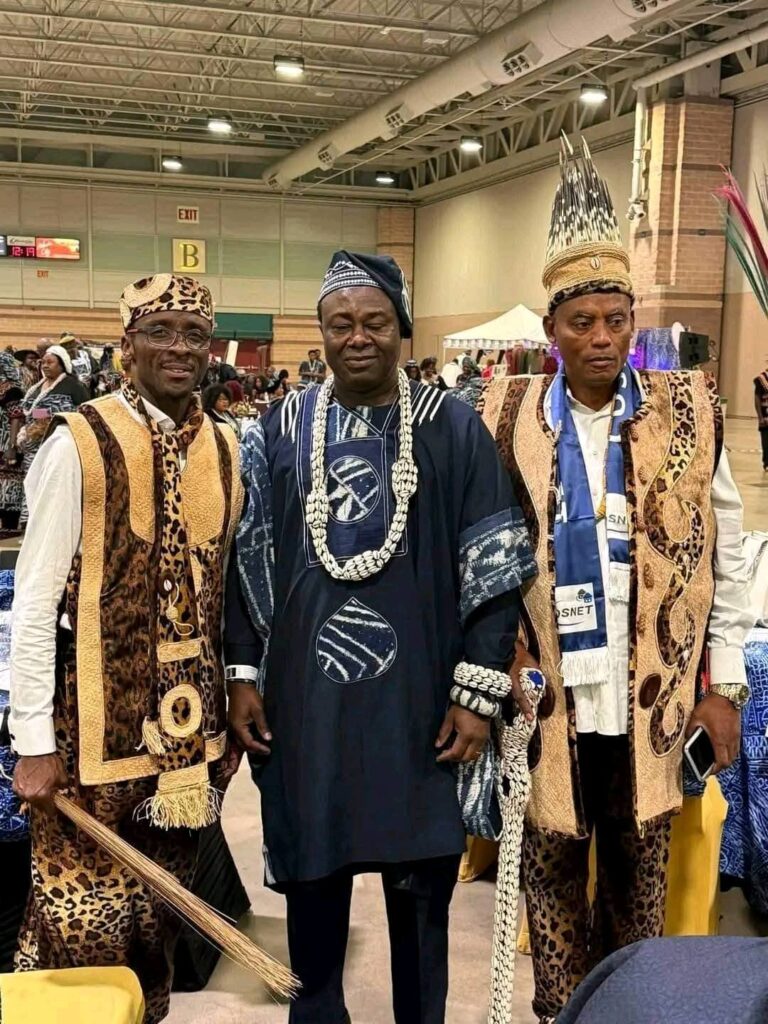
Acceptable Visibility: Celebrating traditional dances, clothing, and customs receives state tolerance and even encouragement as evidence of national diversity. This controlled visibility allows expression while avoiding substantive political challenge.
Depoliticized Heritage: Historical figures like Ernest Ouandie are remembered as cultural heroes rather than political martyrs, sanitizing their revolutionary legacy. This selective memory preserves pride while avoiding uncomfortable questions about why they were killed.
Performance vs. Power: The proliferation of cultural events can create an illusion of progress while actual political and economic exclusion continues unchanged. Festivals become substitutes for, rather than stepping stones toward, genuine equality.
Strategic Pathways Forward
Breaking cycles of silence requires acknowledging both its protective function and its limiting effects:
Graduated Disclosure: Rather than demanding universal vocal activism, communities might develop strategies for selective, strategic disclosure—identifying moments and platforms where speaking truth carries manageable risk.
Collective Protection: Individual voices are vulnerable, but coordinated community action can provide mutual protection while amplifying impact. The recent emergence of think tanks and advocacy networks suggests movement in this direction.
International Leverage: Diaspora freedom can be strategically deployed to influence international opinion, document abuses, and build pressure for reform without directly exposing domestic community members.
Alliance Building: Connecting with other marginalized groups—regional minorities, opposition movements, civil society organizations—can create broader coalitions that make targeting any single community more difficult.
Beyond Silence, Beyond Noise
The challenge facing Bamiléké communities is not simply choosing between silence and speech, but developing sophisticated strategies for navigating a complex political landscape that punishes both excessive visibility and complete invisibility.
Historical Acknowledgment: Truth-telling about past violence must precede genuine reconciliation. This requires safe spaces for testimony and documentation that protect speakers while preserving memory.
Institutional Advocacy: Legal challenges, policy proposals, and constitutional reforms offer pathways for change that focus on systemic issues rather than ethnic grievance.
Generational Bridge-Building: Older community members possess survival wisdom, while younger voices bring energy and different risk calculations. Neither alone is sufficient; both together might prove transformative.
The path forward requires neither wholesale abandonment of protective silence nor naive embrace of unprotected speech. Instead, it demands careful, strategic, and collective action that honors both the wisdom of survival and the necessity of change. The diaspora’s cultural festivals and the homeland’s quiet resilience both have roles to play in a broader strategy for justice—but only if they consciously connect cultural pride to political agency, and memory to transformation.
As communities across the diaspora gather for conventions and commemorations, the question becomes not whether to break silence, but how to break it strategically, sustainably, and in service of justice rather than mere expression. The wound can only heal when it is both acknowledged and treated—neither denial nor endless lamentation will suffice.
Voix Plurielles invites readers, thinkers, and activists to join the conversation:
- Share your stories.
- Contribute your perspectives.
- Help us shape a future where justice and dignity are non-negotiable.
Because naming the wound is the first step to healing it.